
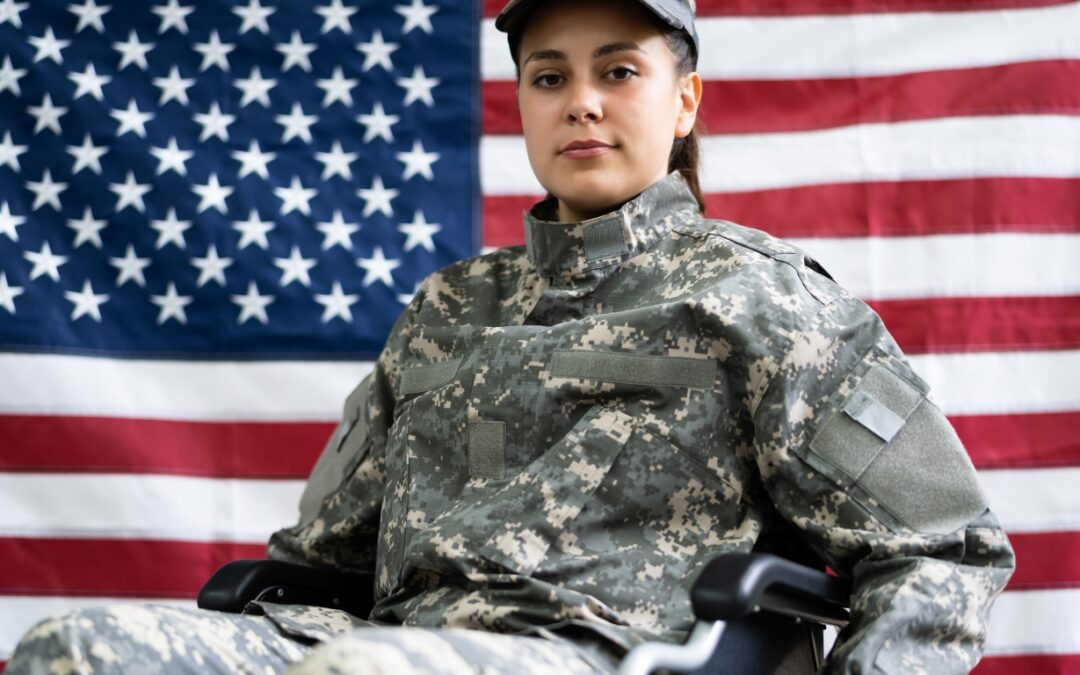
For many veterans, the impact of military service extends well beyond their time in uniform. Service-related conditions such as post-traumatic stress disorder (PTSD), traumatic brain injuries (TBI), and mobility impairments can create daily challenges that make independent living difficult. While these challenges are significant, they don’t have to diminish quality of life. With specialized in-home care, veterans can receive the support they need to live with dignity, safety, and comfort.
At Reliant Home Care Services, we’re proud to serve those who have served us. Our caregivers are trained to understand the unique needs of veterans and to provide care that goes beyond the basics of daily assistance.

Why Veterans May Need Specialized In-Home Care
According to the U.S. Department of Veterans Affairs (VA), between 11% and 20% of veterans who served in Iraq and Afghanistan experience PTSD in a given year. Veterans of the Gulf War report PTSD rates of about 12%, and for Vietnam veterans, studies estimate that 15% are currently living with PTSD. PTSD affects not just mental health but also relationships, sleep, and the ability to manage daily routines.
Traumatic brain injuries are also common. The Defense and Veterans Brain Injury Center reports that since 2000, more than 490,000 service members have been diagnosed with some form of TBI, ranging from mild concussions to severe brain injuries.
And for many veterans, physical injuries sustained during service—amputations, spinal cord injuries, or chronic pain—make mobility a daily obstacle. According to the U.S. Census Bureau, nearly 26% of veterans report having a service-connected disability, with mobility limitations among the most common.
These challenges can make living independently very difficult without the right support system.
The Role Of Specialized Caregivers
General home care helps with meals, bathing, medication reminders, and light housekeeping. But for veterans with service-related conditions, care often requires specialized training and a compassionate, trauma-informed approach.
Supporting Veterans With PTSD
Caregivers trained in trauma-informed care understand how PTSD affects day-to-day life. They:
- Provide consistent routines to reduce anxiety and stress.
- Recognize and de-escalate potential triggers such as loud noises or unfamiliar environments.
- Offer emotional support and companionship, helping reduce isolation.
- Encourage healthy coping strategies, like exercise, mindfulness practices, and staying engaged with supportive communities.
Supporting Veterans With TBI
Depending on the severity of the injury, veterans with TBI may experience memory loss, difficulty concentrating, or challenges with decision-making. Caregivers can:
- Provide daily structure to help veterans stay organized.
- Assist with appointments, medications, and therapy exercises.
- Help with safety precautions at home, like removing fall hazards or installing adaptive equipment.
- Offer patience and support, as recovery from TBI is often long-term and nonlinear.

Supporting Veterans With Mobility Issues
Mobility challenges require not only physical assistance but also home adaptations. Caregivers help by:
- Providing safe transfers in and out of bed, chairs, and bathrooms.
- Assisting with personal hygiene and dressing to maintain dignity.
- Encouraging physical therapy exercises to preserve strength and independence.
- Working with families to ensure home environments are accessible, from ramps to grab bars.
Benefits Of In-Home Care For Veterans
Choosing in-home care provides veterans with both physical and emotional benefits.
- Independence at home. Veterans often prefer the familiarity and comfort of home over institutional care.
- Improved quality of life. Daily assistance with routines, meals, and companionship reduces stress for both veterans and their families.
- Lower risk of hospitalization. Regular support at home helps manage chronic conditions and detect complications early, reducing hospital readmissions.
- Stronger family support. Families can rest easier knowing their loved one is in capable hands.
A study in The Journal of Rehabilitation Research and Development found that in-home support services for veterans with disabilities improved community reintegration and life satisfaction, while reducing caregiver burden.
How Reliant Makes A Difference
At Reliant Home Care Services, our caregivers are not just trained in personal care – they’re educated in veteran-specific needs. We:
- Provide trauma-informed care for those living with PTSD.
- Support veterans with TBI using structured routines and safety measures.
- Offer mobility assistance tailored to each person’s condition.
- Partner with families and healthcare providers to create a comprehensive, personalized care plan.
We also understand that every veteran’s story is different. That’s why we focus on respect, dignity, and compassion in everything we do.
Reach Out To Reliant Today
Veterans have already given so much in service to our country. When service-related disabilities make daily life difficult, it’s time for us to give back with the right kind of care. Specialized in-home support ensures that veterans with PTSD, TBI, or mobility challenges can live safely, independently, and with dignity.
If you or a loved one is a veteran in need of post-service support, Reliant Home Care Services is here to help. Call us today at 951-326-8090 or visit relianthomecareservices.com to learn more about our veteran-focused care programs.
