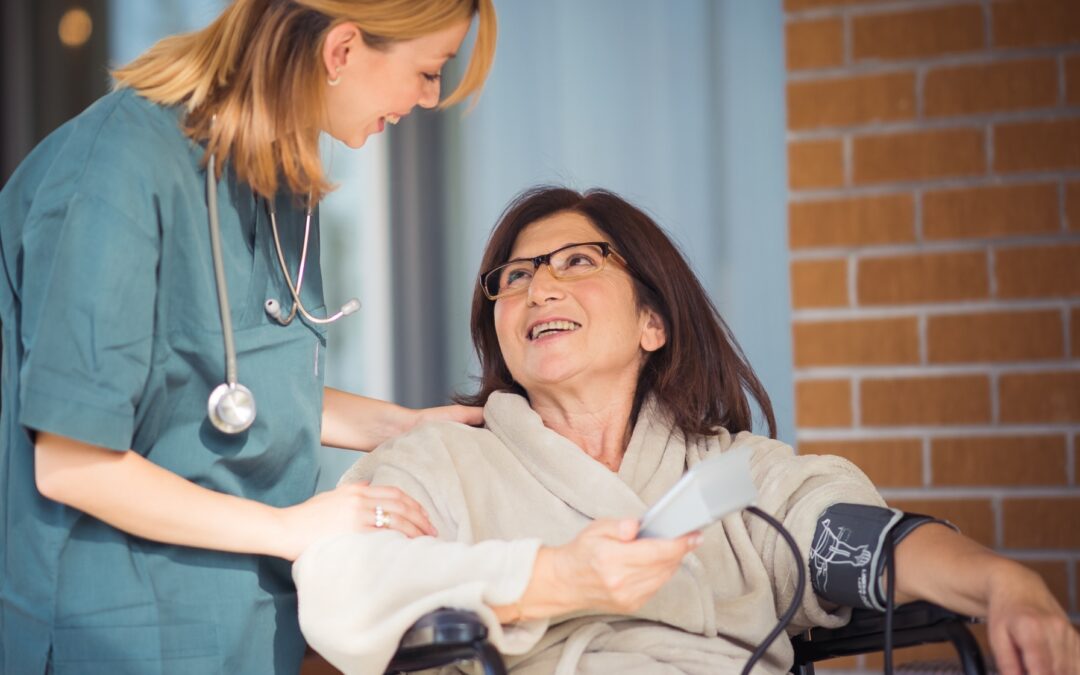
It wasn’t that long ago that recovery was strictly done in hospitals or other care facilities where patients could be monitored and assisted by trained professionals. But in 2026, that’s no longer the case. Today, it’s not uncommon for patients to get discharged fairly quickly and spend the rest of their time recovering at home. This is due to in-home care providers and new technology. An in-home caregiver can help you handle your medications, exercises, and other activities, while healthcare tech keeps you connected to your care team. This can be ideal for everyone from those injured on the job to individuals managing chronic conditions.
Here at Reliant Home Care Services, we combine technology with the best in-home, personalized care to ensure our patients aren’t at risk of returning to the hospital or of injuring themselves. The safety net of compassionate human care combined with non-intrusive remote monitoring technology does more than ensure safety—it also meets the reporting requirements of some of today’s insurance and workers’ comp contracts, providing peace of mind all around.
The 2026 Safety Net: Security Without Intrusion
When people hear the term “remote monitoring,” they immediately think of someone invading their privacy. Some even jump to cameras watching them or microphones listening to their every word. In today’s world, however, technology is much more sophisticated and respectful. Modern monitoring tools are more passive. They work in the background to make certain you’re safe without making you feel like you’re always being watched.
For example, a continuous glucose monitor is one type of monitoring system. These little sensors track a person’s blood sugar and alert them if it gets too high or too low. Then there are devices like a smart floor mat. It can send an alert to a caregiver if a person standing on it falls. Other wearable devices can track oxygen levels and heart rates. This data is ideal for doctors and even workers’ comp managers, as it allows them to see in real time how a patient is progressing and whether their recovery plan needs adjustment.

Vitals Monitoring: Catch the Small Things Early
Some of the issues many people face while recovering at home are things they don’t even recognize. These hidden symptoms, such as a slight increase in blood pressure or dip in oxygen levels, can indicate serious issues, but because they’re minor, you may never realize they’re happening. Vital monitoring tools can detect these changes and alert your doctor.
These tools aren’t about spying but prevention. If your care team can review your data from the past few weeks and identify concerning trends, they can adjust your treatment accordingly. It’s a proactive approach that can identify minor issues before they become major setbacks that require more serious treatment. For patients, it means avoiding extra hospital time or expensive medications. For insurance carriers, it means lower costs and better outcomes.
The “Whole Person” Approach
Recovering from an injury may seem to be a physical type of recovery, but it’s not. Any type of injury, whether it occurred at home, at work, or is related to a chronic illness, takes an emotional toll. In 2026, it’s clear that mental health impacts how quickly the body heals. Our care team will regularly check in on your emotional well-being in addition to your physical well-being so we can spot signs of depression and other emotions that may impact your recovery.
Documentation That Works for Everyone
In the world of workers’ compensation and long-term care insurance, the basic rule is that “if it wasn’t documented, it didn’t happen.” This means that if you don’t have a specific paper trail for something, case managers will assume it wasn’t done. Today’s reporting requirements are stricter than ever, meaning that you need to have documentation for everything.
We use of technology to ensure these documents are generated correctly and filed with the appropriate parties. All of the software and apps we use are HIPAA-compliant, too, so you do not have to worry about your information being shared with those who have no business seeing it.
This documentation is important for a few reasons. First, it shows that you’re following your prescribed care plan and are making progress towards your goals. Second, it provides your insurance contacts and case managers with the data they need to release additional payments or authorize continued care. Finally, it provides a sense of security by letting you and your family see exactly who was in your home and what they did while they were there.

The Human Element in a High-Tech World
One of the biggest mistakes people are making with AI and other technology is thinking it can replace people. Maybe that’s true in some areas, but it’s certainly not true in healthcare. We understand that technology is a tool that can help us provide better care, but it’s not a caregiver. It can’t provide that human touch. Various tracking apps may note trends or flag irregularities, but they aren’t capable of providing the emotional support that a diagnosis often requires. Only humans can do that. While technology handles the data, our caregivers can focus on you as a person.
Looking Forward: Innovation with Integrity
As we move further into 2026, technology will continue to change and evolve. Tools like AI-driven analytics will help us forecast risks and potential issues before they happen, while electronic medical records will allow your caregivers, no matter where they are, to quickly see your allergies, medical history, and medications, and enable instant communication between your care team.
However, these tools are no replacement for human caregivers, and not all of them are necessary at all times. We ensure that every piece of technology we recommend is right for your recovery and safety. Technology should always drive results rooted in compassion and dignity.
Whether you’re recovering from a hospital stay, needing help with a chronic condition, or are a case manager looking for a caregiver for someone in need, Reliant Home Care Services is here for you. Reach out today to learn more about remote monitoring and how we incorporate it into our care plans.
